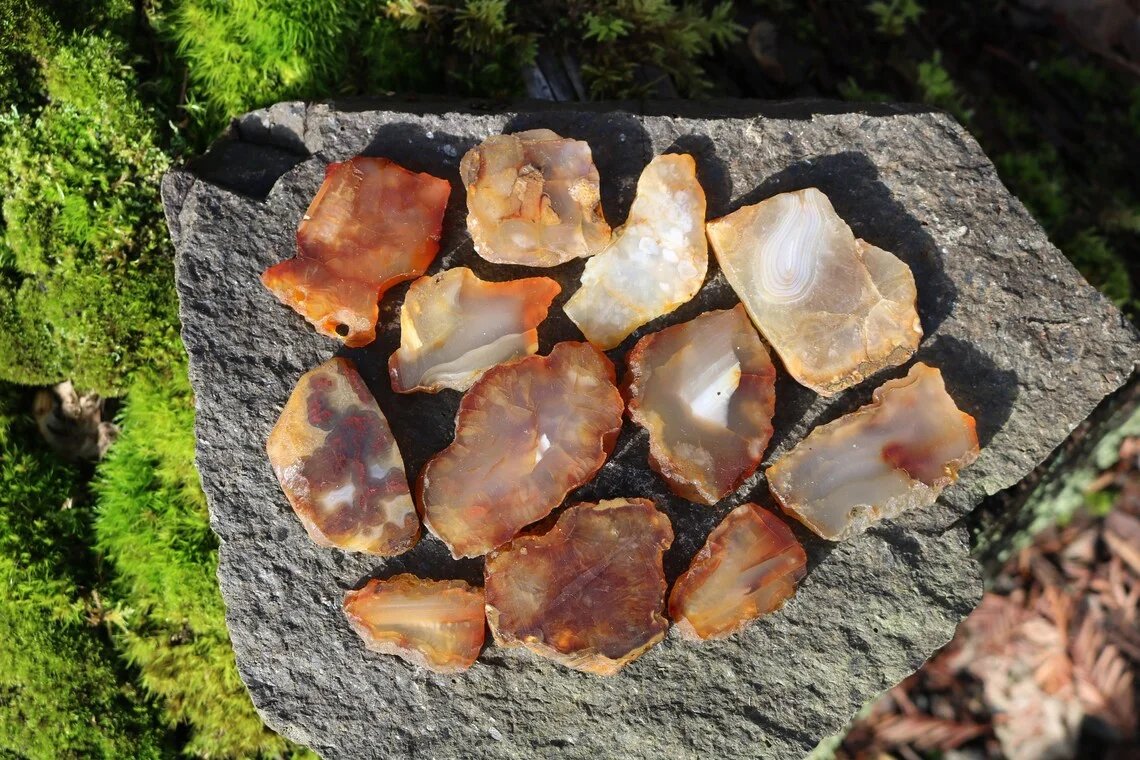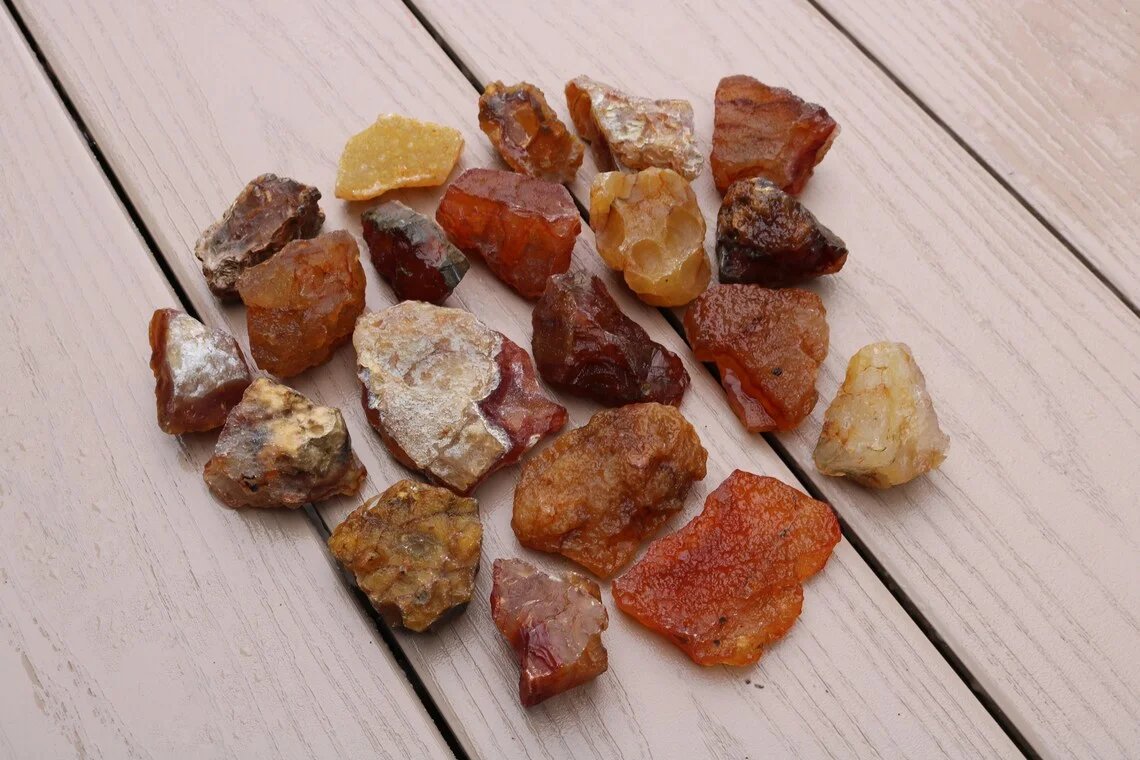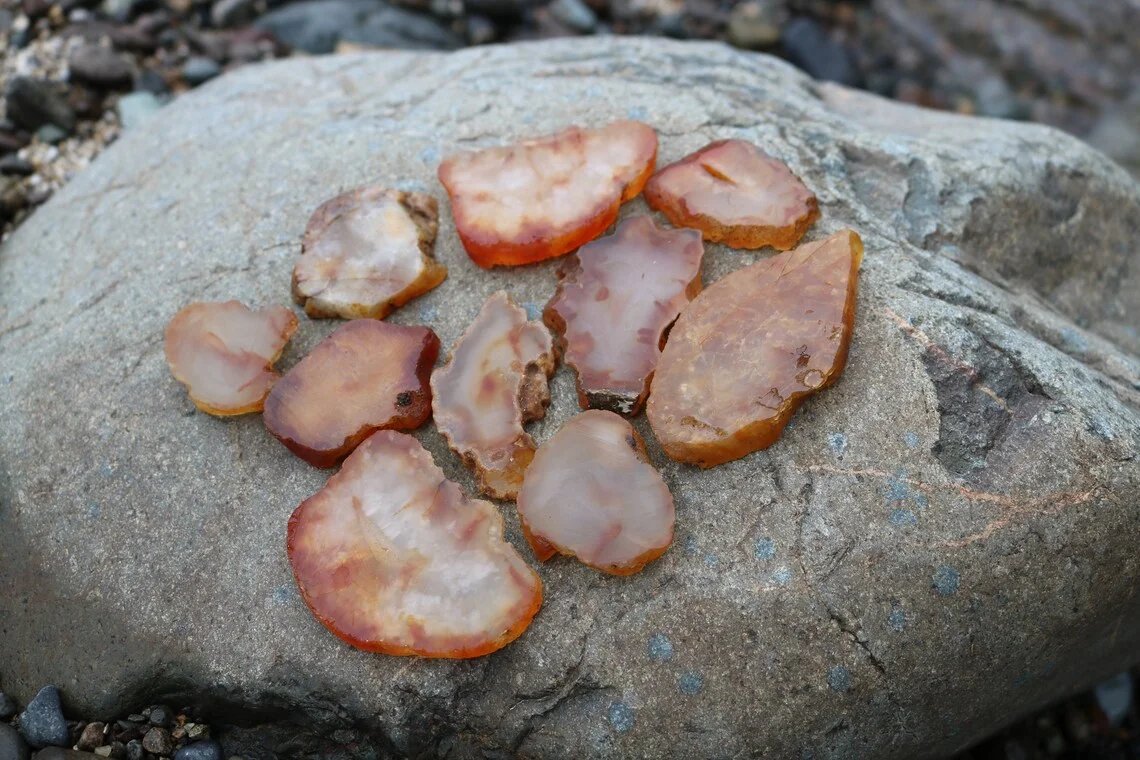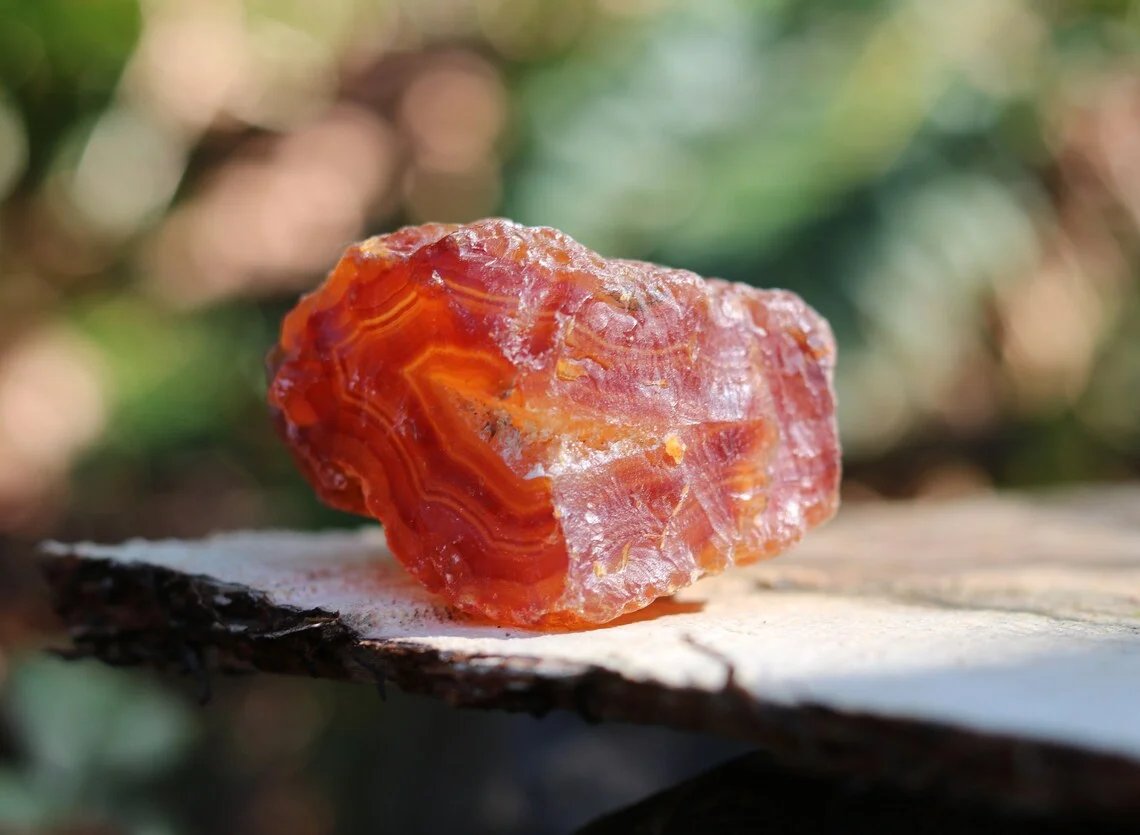
If you ask a Washington rockhound where to find the deepest, darkest, most candy-like red carnelians in the state, one answer comes up more than any other: Lewis County. While the beaches of the Olympic Peninsula get all the glory for their clear sea-washed agates, the rivers of Lewis County are where you go to find the heavy hitters.
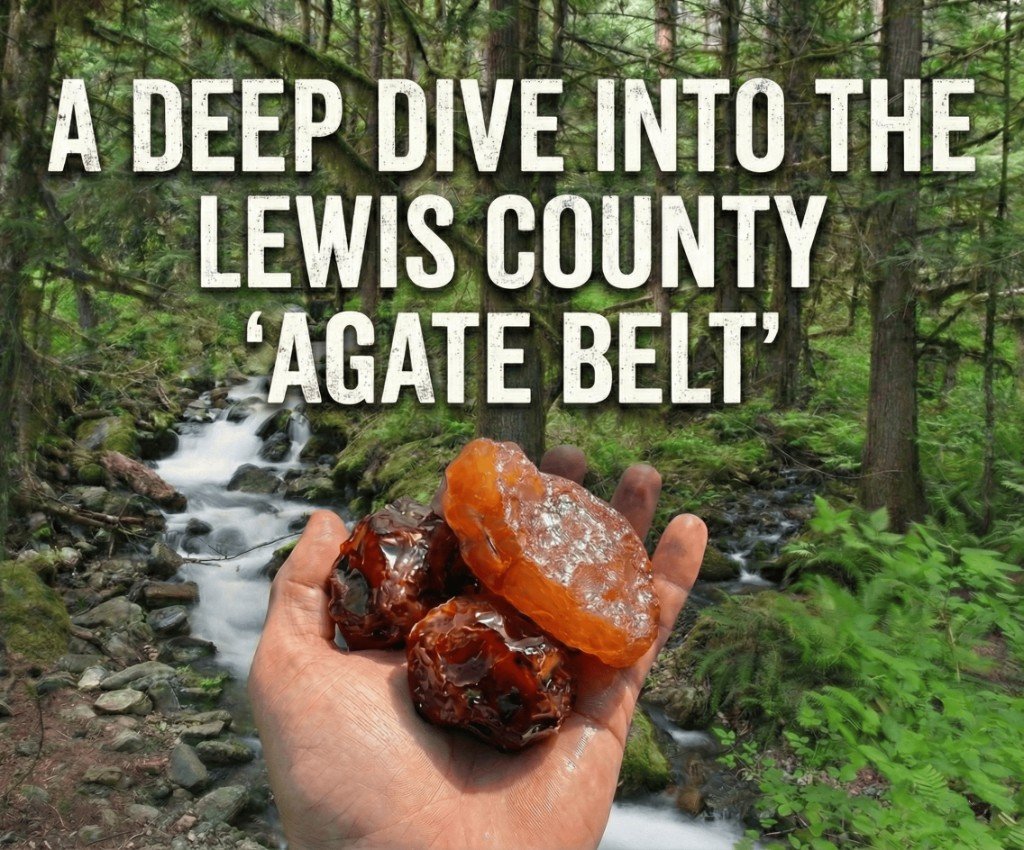
We are talking about stones with a saturation so intense they look like drops of cherry syrup. This region, often informally called the "Agate Belt" by locals, is legendary for a reason. Let's explore what makes this area special and how you can find your own piece of volcanic treasure.
This article is for general interest only. Access, ownership, and regulations change. We do not guarantee that any location listed here is currently legal, open to the public, or safe. Always verify access and rules with landowners, land managers, or official sources before you go, and rockhound at your own risk.
Why Are They So Red?
The geology here is distinct from the coast. In Lewis County, you are hunting in the foothills of the Cascades. The agates here were formed in gas bubbles within ancient Eocene basalt flows, specifically the Northcraft Formation. For the full story of how those gas bubbles, silica, and iron created Washington carnelian, see our post on the science behind how Washington agates were formed.
What sets them apart is the iron. The same iron oxide that gives Mt St Helens agates their color dissolved into the silica-rich waters millions of years ago. In this specific region, the concentration was just right to turn clear chalcedony into vibrant orange, blood red, and deep amber carnelian.
Top Rivers to Explore
The "Agate Belt" isn't a single mine or location. It is a network of rivers cutting through those ancient volcanic layers. Here are some of the rivers often mentioned by rockhounds. We are not stating that any of these are currently open, legal to collect at, or safe; always confirm for yourself before visiting.
The Newaukum River
This is perhaps the most famous carnelian river in the state. The North Fork and Middle Fork cut right through the heart of the agate-bearing geology. The gravel bars here can produce massive nodules, sometimes the size of a fist.
Often cited: Stan Hedwall Park in Chehalis is frequently mentioned as a publicly accessible starting point with river frontage and gravel bars. Rules and access can change; confirm current park rules and whether collecting is allowed before you go.
Lucas Creek
You cannot talk about Lewis County agates without whispering the name Lucas Creek. Historically, this creek (east of Adna) produced some of the highest quality carnelian in the world.
The catch: Most of Lucas Creek flows through private timberland and farms. Access is often restricted. Do not trespass. If you see purple paint on a tree or post, that means "No Trespassing" under Washington state law. Stick to areas you have verified as public or where you have explicit permission.
Salmon Creek (Toledo area)
Down near Toledo, Salmon Creek feeds into the Cowlitz River and has been a reliable producer for decades in the eyes of many collectors. The area near the old Pacific Highway bridge is sometimes cited as a historical collection site. The stones here often have a unique "skin" or husk that hides the color until you chip them or tumble them. Verify current access and any collection rules before visiting.
The Skookumchuck River
Flowing out of the dam near Bucoda, this river is known for agates as well as spectacular jasper. Access can be tricky near the dam itself. Schaefer County Park near Centralia has been known to offer river access; check current park rules and conditions before you go.
The Rules of the Hunt
Lewis County is a patchwork of private property, active timber land, and public parks. Access and rules change; it is your responsibility to confirm where you may legally and safely collect. To keep spots open for everyone, be a respectful guest.
- Respect the Purple Paint: Never cross into marked private land. It gives all rockhounds a bad name and can get you in serious legal trouble.
- Fill Your Holes: If you dig into a gravel bar, fill it back in before you leave. Fishermen and swimmers can twist ankles in open holes, and park rangers will shut down access if they see the banks getting destroyed.
- The Sun is Your Friend: These dark red stones can look black when they are dry and sitting in the shade. Walk with the sun facing you or low in the sky so it shines through the rocks. That deep red glow will give them away instantly.
When to Go
River hunting is seasonal. The best time to hit the Lewis County Agate Belt is late summer (August and September) when water levels are at their lowest, exposing gravel that has been underwater all year. Alternatively, go right after a winter flood recedes. The high water churns the riverbed and flips over new rocks, bringing fresh treasure to the surface.
For more Washington locations, see our Best Places to Find Carnelian Agates in Washington State guide. That guide is also informational only; always verify access and regulations yourself.
Happy hunting! Usually the best rock is the one you find just as you are about to give up and head back to the car. Remember: we are not responsible for your travel or collecting decisions; do your own research and stay legal and safe.